Health Canada warns of very rare vision-loss risk with semaglutide
“semaglutide”
50K+ curiousCanada
Also on their minds ozempic · health · ozempic vision loss · glp-1 · health canada ozempic vision loss · glp-1 vision loss
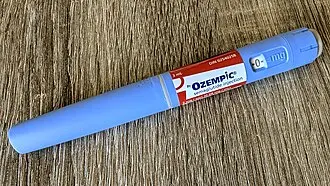
Health Canada has warned of a possible link between semaglutide medicines and a very rare but serious risk of vision loss. The department’s safety review focused on semaglutide, a prescription drug used for type 2 diabetes and weight management.
Semaglutide belongs to a class of medicines called GLP-1 receptor agonists. It is sold under several brand names, including Ozempic for diabetes and Wegovy for weight management. The warning concerns a possible association; it does not establish that the medication causes the eye condition.
The condition identified in the review is non-arteritic anterior ischemic optic neuropathy, or NAION. It occurs when blood flow to the optic nerve is reduced. The optic nerve carries visual information from the eye to the brain, and damage can lead to permanent vision loss.
NAION typically affects one eye at a time. Vision changes can begin suddenly and without pain, with blurring, cloudiness or a missing portion of the field of view, often in its lower half. Colours may also seem faded or harder to distinguish. Some people first notice a change after waking from a night’s sleep or a nap.
Health Canada describes the risk among people taking semaglutide as very rare. NAION is most common in adults over 50 and occurs more often among people with diabetes, high blood pressure or high cholesterol. The condition has no current treatment, and vision loss is often permanent.
The review was limited to semaglutide medicines. Health Canada is separately assessing the risk of NAION with other GLP-1 receptor agonists and is working with manufacturers. The available information does not set out a timeline for that work or say what further steps will follow.
The warning does not provide a count of cases or a numerical estimate of the risk, and it does not establish how the possible link should affect an individual patient’s treatment. What it does identify is a rare eye condition with potentially lasting effects, alongside a regulator’s continuing review of related medicines.
Reporting
- Vision Loss from GLP-1 Use is Rare, However NL Optometrists Warn Not to Ignore Any Changes in EyesightVOCM
- How rare is the 'very rare' risk of vision loss from GLP-1 drugs?Global News
- What to know about the ‘very rare’ vision loss risk linked to Ozempic, other GLP-1 drugsCHCH TV
- Patients claim GLP-1s caused vision loss. Now the obesity drugs will have a warning labelLos Angeles Times
- Health Matters: GLP-1 drugs linked to rare risk of vision loss, Health Canada warnsYahoo News Canada
- Health Canada warns rare vision loss tied to semaglutide GLP-1 drugCBC.ca
- GLP-1 drugs and vision loss? What Canadians need to know about Health Canada’s new warningInside Halton
- Health Canada links Ozempic and other semaglutide drugs to very rare risk of sudden vision loss, adds warning to labelsThinkPol
More sources (27)
- Health Canada warns some GLP-1 drugs may cause vision lossCTV News
- Semaglutide GLP-1 usage linked to 'very rare' risk of vision loss: Health CanadaToronto Sun
- Semaglutide GLP-1 usage linked to 'very rare' risk of vision loss: Health CanadaYahoo News Canada
- Health Canada issues warning on rare risk of vision loss with semaglutide GLP-1 drugsRadio-Canada
- Health Canada warns of rare vision loss risk with Ozempic and Wegovyhaligonia.ca
- GLP-1 Receptor Agonists May Protect Arthritic Cartilage Beyond Weight Loss BenefitsBIOENGINEER
- Health Canada seizes semaglutide among unauthorized peptidesBenefits and Pensions Monitor
- Ozempic and Wegovy may cause sudden vision loss, Health Canada warnsThe News International
- Health Canada Issues Warning About Rare, But Serious Risk of Vision Loss Linked to GLP-1 MedicationsVOCM
- Not Just Ozempic, Health Canada's 'Very Rare' Vision-Loss Warning Applies To All Prescription Semaglutide Drugshealthandme
- Semaglutide drugs like Ozempic, Wegovy linked to vision loss risk: Health CanadaCBC.ca
- Semaglutide Benefits Regardless of Baseline Frailty Index: JAMAMedical Dialogues
- Rare vision loss risk from semaglutide medication, Health Canada warnsThe Globe and Mail
- Health Canada Warns Of Very Rare But Serious Risk Of Vision Loss With Semaglutide DrugsKawartha 411
- Health Canada warns of very rare vision loss risk with semaglutideMugglehead Magazine
- Health Canada warns of rare vision loss risk with Ozempic and other semaglutide drugsThe Canadian Press
- Health Canada warns of rare vision loss risk with Ozempic and other semaglutide drugsThe Hamilton Spectator
- Health Canada issues warning on rare risk of vision loss with semaglutide GLP-1 drugsCBC.ca
- Public Advisory - Health Canada warns of very rare but serious risk of vision loss with semaglutide drugsThe Globe and Mail
- Health Canada warns of rare risk of vision loss with Ozempic and other semaglutide drugsCanadian HR Reporter
- Health Canada flags rare vision loss risk with semaglutide drugsBenefits and Pensions Monitor
- GLP-1s may carry ‘very rare but serious risk of vision loss’: Health CanadaGlobal News
- BGM0504 Monotherapy Outperforms Tirzepatide in Glucose Lowering; Combination Therapy Shows Head-to-Head Superiority to Semaglutide -- BrightGene's BGM0504 Takes on Global ...The Manila Times
- Health Canada Warns of Rare Vision Loss Risk With Ozempic, Wegovy and Other Semaglutide Drugsculturealberta
- Accelerated Approvals of Resmetirom and Semaglutide Reshape Steatotic Liver Disease CareBIOENGINEER
- GLP-1 vision loss risk is 'blown out of proportion,' doctor saysFox News
- Semaglutide may improve eating disorder behaviorsHealio