Kenyan shilling slips past Ksh130 against the US dollar
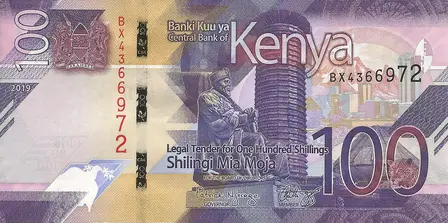
The Kenyan shilling crossed Ksh130 against the US dollar on November 20, weakening to a level it had not reached in seven months. Central Bank of Kenya data put the dollar at Ksh130.00; Bloomberg quoted the shilling at Ksh130.0700 that day.
The move ends a prolonged period of relative stability for Kenya’s currency. The shilling is the country’s national currency, and its exchange rate matters to importers that need dollars to pay for goods purchased abroad.
Demand for dollars has increased as businesses seek foreign currency for imports. International trade is largely settled in US dollars, so greater demand can put pressure on the local exchange market and push the shilling lower.
Foreign-currency inflows have also weakened. Remittances from Kenyans living abroad fell 1.9% in October, to $430.5 million, or Ksh55.9 billion. A year earlier, October remittances were $438.8 million.
Kenya’s foreign-exchange reserves declined as well. Central bank figures show reserves falling from $14.74 billion on October 29 to $14.605 billion on November 12, a reduction of $135 million. The figures provide a measure of the pressure surrounding the currency, though they do not by themselves establish what drove each exchange-rate movement.
Before this latest weakening, the shilling had remained stable for more than two years. Dollar inflows from remittances, agricultural exports, foreign investment and loans from development partners had supported that period, according to the reported account of the currency’s recent performance.
The available figures establish that the shilling has crossed Ksh130 and identify rising import demand, lower remittances and a reduction in reserves as pressures. They do not specify whether the Central Bank of Kenya plans a response or how long the exchange rate will remain at this level. For importers, the immediate concern is the cost of obtaining dollars to pay overseas suppliers.
Reporting
- State eases conditions for industries’ cheaper power consumption at nightBusiness Daily Africa
- Kenya Power announces areas to face electricity interruptions on Friday, November 27Tuko News
- Kenya Power plans short-term electricity credit for prepaid customersBusiness Daily Africa
- CS Wandayi pledges to protect Kenyans from unreasonable electricity costsTuko News
- Kenya Power invites lenders to offer customers electricity tokens on creditThe Star Worldwide (English)
- Energy Conference Urges Banks to Expand Financing for Women-Led BusinessesAllAfrica
- Kenya Power announces new electricity token credit plan for prepaid customersPeople Daily
- Kenya Power to Offer Customers Electricity Tokens on Loan: How it Will Workthekenyatimes
More sources (25)
- Sifuna: Kenya secretly conducting load shedding as power demand hits peakPeople Daily
- Kenya Power hints at introducing pay-later tokens option for customersTuko News
- Kenya Power Seeks Firms to Offer Emergency Loans for Electricity TokensKenyans.co.ke
- GHS to KES Exchange Rate Live - Convert Ghanaian Cedi to Kenyan ShillingExchange Rates
- Kenya Power’s Warning on Tokens After Govt Ends Monopolymoney254
- Kenya Power invites lenders to offer customers electricity tokens on creditThe Star
- Kenya Power flags costly tokens as monopoly endsBusiness Daily Africa
- Kenyans to own a stake at Mrima Hill mining projectBusiness Daily Africa
- Kenya Power lists areas in 6 counties facing electricity interruptions on Thursday, November 26Tuko News
- Shilling weakens to Sh130.20 against US dollar on importer demandAllAfrica
- Kenya Power reveals hidden dangers of tampering with electricity transformersPeople Daily
- Kenya Shilling Slips to 130 Per DollarThe Rio Times
- Kenya Power announces maintenance-related outages across 9 counties on Wednesday, November 25Tuko News
- Itel Energy Launches Portable Power Stations in KenyaBusiness Today Kenya
- Indian billionaire Gautam Adani's scrapped Kenya power deal carries $339 million exit billbillionaires
- Kenyan shilling edges to KSh 130 against dollar, gains on pound and euro in November 2026Tuko News
- Why are Kenyan fuel prices still high despite a relatively stable shilling?People Daily
- CBK: Kenya’s foreign reserves drop by Ksh85 billion as import cover declinesPeople Daily
- Why Kenyan shilling crossing Ksh130 against dollar may not signal a crisisPeople Daily
- Kenyan Shilling Hits Ksh130 Against US Dollar for First Time in 7 Monthsthekenyatimes
- Kenyan Shilling Crosses Ksh130 Against U.S. Dollar Amid Growing PressureKenyans.co.ke
- Absa’s new global special fund needs KES 250,000 to join and locks your money in for six monthsTechish
- Supercoin applies for Kenya licence as it plans shilling stablecoinThe Star
- Supercoin pushes to introduce Kenyan shilling-backed stablecoinAllAfrica
- Ruto defends economic record, says shilling has recovered from Sh162 to Sh129 against dollarThe Star